At Judy Courtin Legal (JCL) we work tirelessly trying to obtain accountability and justice for victims/survivors of institutional child sexual and physical abuse.
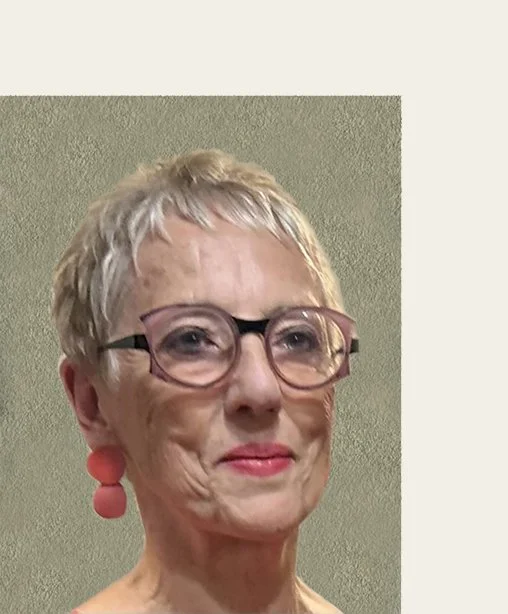
Dr Judy Courtin
B.App.Sci; LLB (Hons);
Dip.Legal Practice;
PhD (Law)
Our philosophy is based on what is best for our clients. As well as going through a legal process, we also focus on what is important for our clients and what concerns they might have. Addressing these ‘interests’ throughout the legal process enables us to focus on the whole person.
Our lawyers at JCL have carriage of a limited number of cases. This approach is intentional and means we have the resources to leave no stone unturned for our clients.
Institutional abuse law is dynamic. At JCL we also campaign for legislative reform and advocate strongly for our clients and all victims / survivors in the country. We stand up to institutions and call them out when they adopt an unnecessarily legalistic and adversarial approach – which is most of the time.
We understand how these legal processes cause a whole new round of abuse and trauma for our clients. This should not be the case. Contrary to the institutions’ pledges and promises to the Royal Commission that they would be compassionate and act as model litigants, they consistently do the opposite.
• • • • • • • • • •
On 21st May we celebrated the life of our beautiful Nadine Daniel who died on 8 May 2026
after a long illness.
Nadine commenced as a lawyer with JCL in 2019.
She was an amazing, loving and caring person who gave so much. Nadine left no stone unturned and was a brilliant lawyer and advocate for
our clients, who greatly
respected her warmth, skills and dedication.
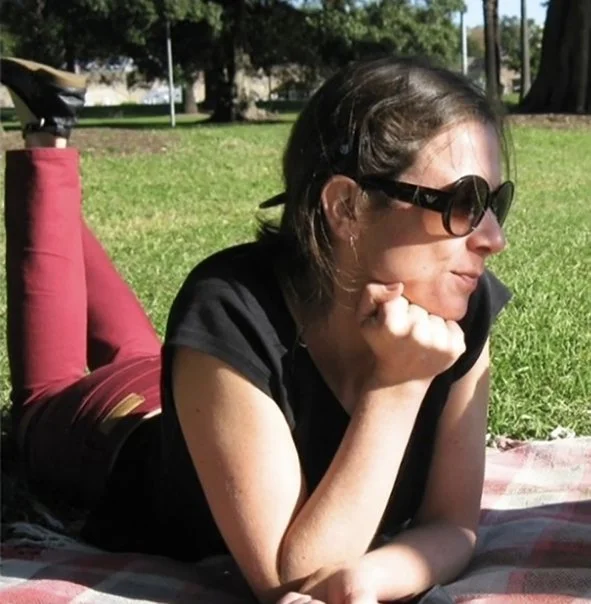
We miss you so much Nadine dearest.

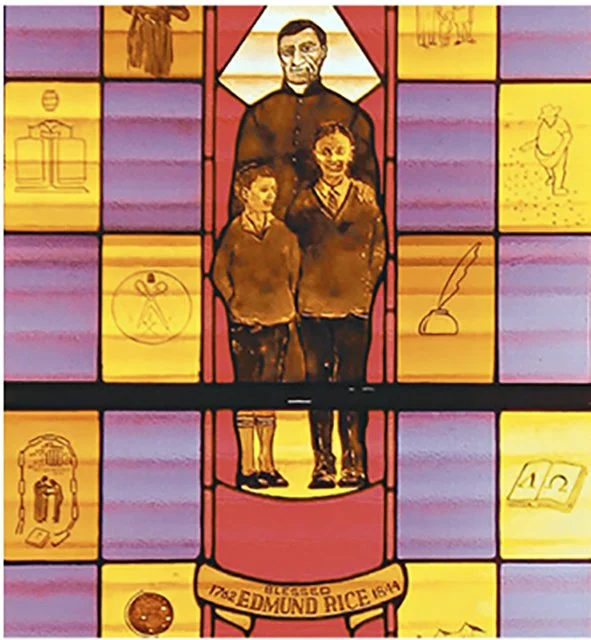
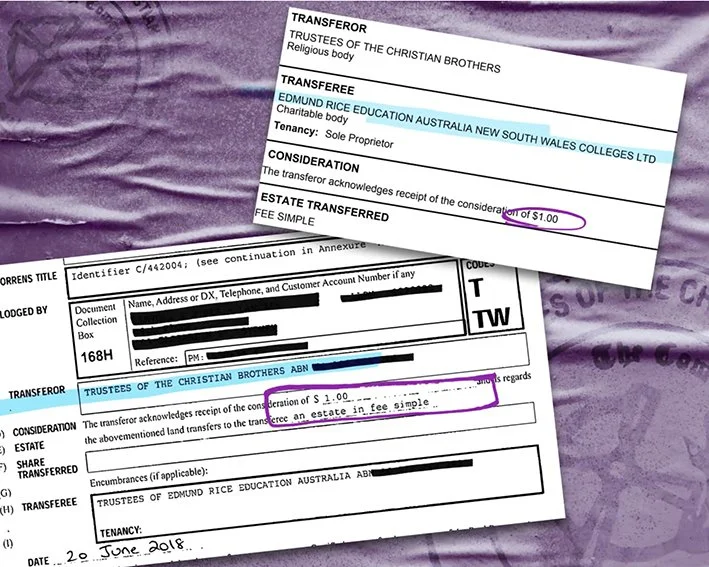
Behind the Christian Brothers’ so-called ‘bankruptcy’ is a complex web of legal entities and trusts that leaves victims /survivors unable to claim proper compensation. Read the Saturday Paper article here.
Christian Brothers sold real estate worth millions for $1. Now it claims in court it lacks money to pay abuse survivors. Read the article from The Guardian here.
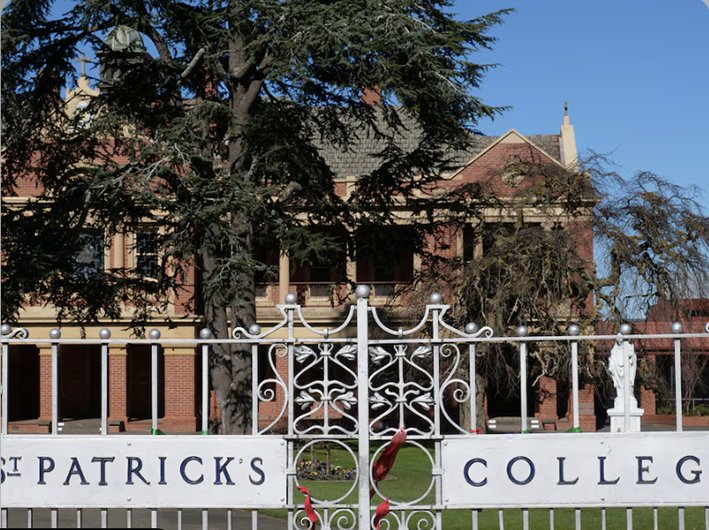
Christian Brothers claim they’re almost broke as sexual abuse claims soar. Listen to this interview on The Radio National Hour here.
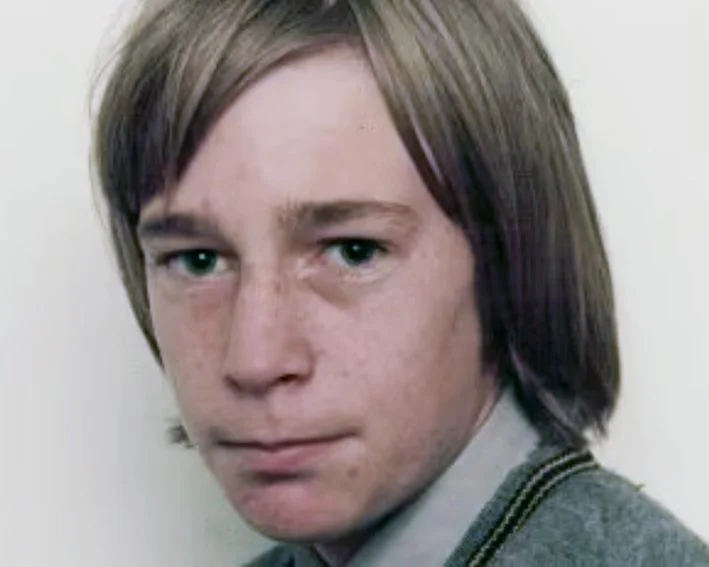
Victim-survivor unsurprised and ‘exhausted’ by Christian Brothers’ restitution shortfall. Read this article from ABC News here.

>> The Cruelty of Marists
Despite vowing to support those who had suffered sexual abuse in their institutions, the Marist Brothers are uniquely aggressive in using the law to crush accusers.
Read this article from The Saturday Paper by Judy Courtin here.
The High Court atones
by Judy Courtin
published in The May/June edition of the Australian Lawyers Alliance magazine Precedent. Read here.
A reply to the dark side
by Judy Courtin
published in The May/June edition of the Australian Lawyers Alliance magazine Precedent. Read here.